


 Destination
  Verified
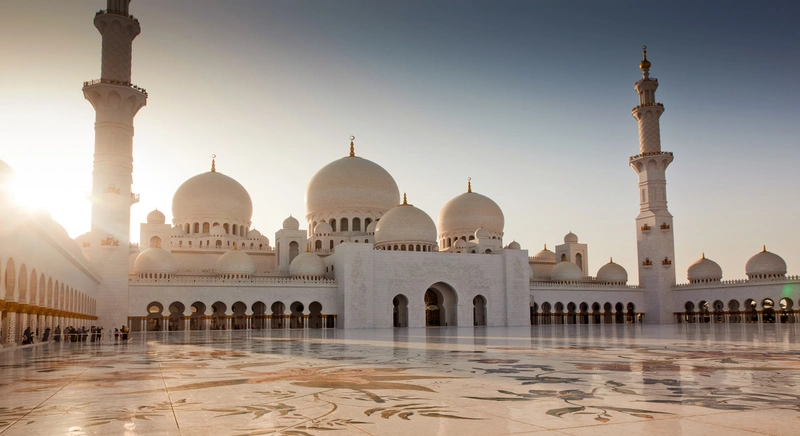
Abu Dhabi has two distinct visiting seasons. From October to March, temperatures sit between 20C and 28C. The courtyard, the exterior walkways, and the reflective pool area are all comfortable at any time of day during this period. This is peak tourist season in Abu Dhabi, so the mosque is busier overall, but the weather makes it worth it.
From May to September, daytime temperatures regularly reach 40C or above. The white marble in the courtyard retains and reflects heat, making a midday visit in summer genuinely uncomfortable. If you are visiting during these months, an early morning visit before 10:00 or an evening visit after 17:00 is the right approach.
April and October sit between the two extremes and are generally manageable for a daytime visit, though afternoon hours in those months can still be warm.
Weekdays from Tuesday to Thursday are the least crowded days. Fewer tour groups, shorter queues at the entrance, and more space inside the main prayer hall.
Friday is the most complex day for non-Muslim visitors. The mosque is closed in the morning and early afternoon for the congregational Friday prayer, and visitor hours do not begin until 16:30. Saturday is the first day of the UAE weekend and draws the highest number of visitors. Sunday through Monday are moderate.
If your trip schedule is flexible, a Tuesday or Wednesday morning in the winter months is the easiest visit logistically.
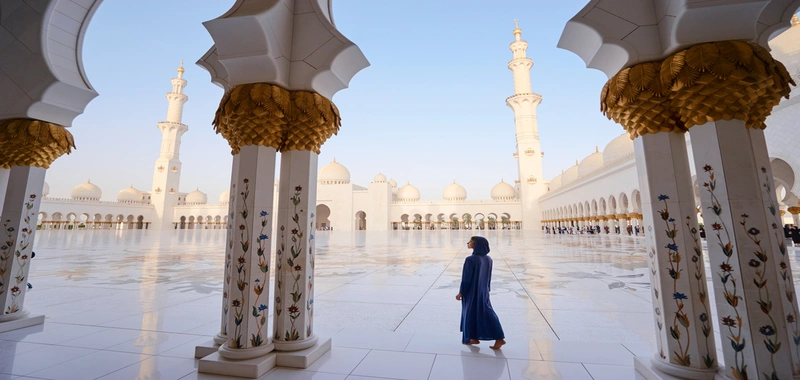
The consensus among regular visitors is that arriving 60 to 90 minutes before local sunset gives the most rewarding experience. Here is why:
For a detailed account of what the mosque is like specifically in the evening hours, see our separate guide on the evening visit to Sheikh Zayed Grand Mosque.
Early morning between 09:00 and 11:00 on a weekday is the alternative best time if you want the fewest people. The mosque is cooler, the queue is short, and you have the main prayer hall largely to yourself on quiet days. The trade-off is that morning photography of the exterior can be harsh in direct eastern sun.
The mosque closes during the five daily prayer times. These windows are typically 20 to 30 minutes each. The Asr (afternoon), Maghrib (sunset), and Isha (night) prayers fall within evening visiting hours and will briefly close the main hall. Verify exact closure times for your visit date on szgmc.gov.ae.
Most visitors spend between 90 minutes and two hours at the mosque. A free guided tour of the main hall and courtyard takes approximately 60 minutes. Exploring the carpet, the chandeliers, and the exterior pools independently adds another 30 to 45 minutes. On busy days, add 20 to 30 minutes for the entrance queue and the abaya service if needed.
The mosque covers over 22,000 square metres. If you try to see everything without a guide, you will likely miss the details that make the building significant: the specific origin of each marble variety, the construction process of the carpet, and the symbolism behind the 99 names on the Qibla wall. A guided visit makes the time spent more useful.
Arriving 60 to 90 minutes before sunset is the most effective time for photography and for seeing the lunar illumination. For the fewest crowds, early morning on a weekday between 09:00 and 11:00 is the quietest window. Midday is the busiest and hottest.
October to March. Temperatures between 20C and 28C make the outdoor areas comfortable at any time of day. From May to September, an early morning or evening visit is necessary to avoid extreme heat.
Tuesday, Wednesday, and Thursday are the quietest days. Friday is the most restricted for non-Muslim visitors, with visitor hours not starting until 16:30. Saturday is the busiest.
Most visitors spend 90 minutes to 2 hours. A guided tour takes approximately 60 minutes. Allow extra time on busy days for the entrance queue. A private guided tour typically runs 90 minutes and covers more detail.