



 Destination
  Verified
| Restaurant | Area | Best for | Book? |
|---|---|---|---|
| Al Fanar (Al Seef) | Al Seef / Creek | Easy first taste, Michelin-listed heritage setting | Weekends |
| SMCCU | Al Fahidi | Eating with an Emirati host, cultural Q&A | Yes, 24h ahead |
| Arabian Tea House | Al Fahidi | Courtyard breakfast, atmosphere | Walk-in |
| Al Khayma Heritage | Al Fahidi | Restored house, quieter tables | Walk-in |
| Logma | City Walk / Dubai Mall | Modern Emirati, casual, karak | Walk-in |
| Ana | Dubai Mall | Contemporary plates, fountain views | Recommended |
| Siraj | Souk Al Bahar, Downtown | Smart dinner, groups, Burj views | Yes |
| Aseelah | Deira, Dubai Creek | Emirati seafood, creek views | Recommended |
If you want Emirati food the way it is meant to feel, communal, unhurried, in a restored coral-stone or wind-tower setting, this is the cluster to start with. All of these sit within walking distance of the Creek in the oldest part of the city.
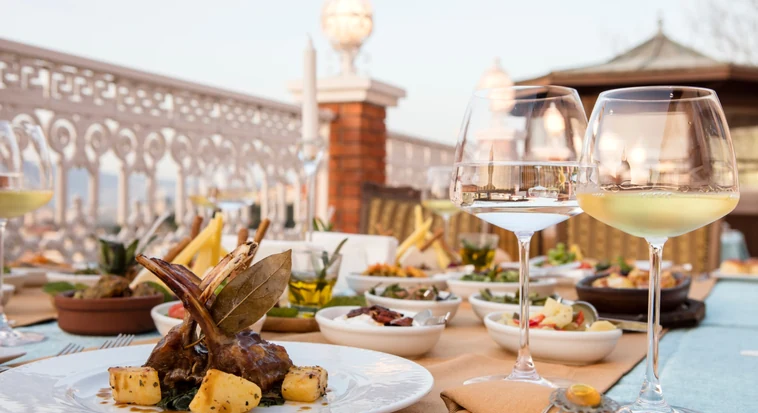
The most accessible place in Dubai to try classic Emirati dishes without any guesswork. Family-run since 2011, Al Fanar recreates 1960s Dubai in its decor and serves the staples in generous, shareable portions, so it is ideal for a first visit or a mixed group. The Al Seef branch overlooks the Creek and is listed in the MICHELIN Guide.
Area: Al Seef, with additional branches at Festival City and Al Barsha Pond Park.
Booking: Walk-ins are welcome. Booking is recommended on weekends.
Order: Machboos, jesheed, luqaimat with date syrup, karak, and balaleet at breakfast.
Good to know: All-day menu, family-friendly and no alcohol.
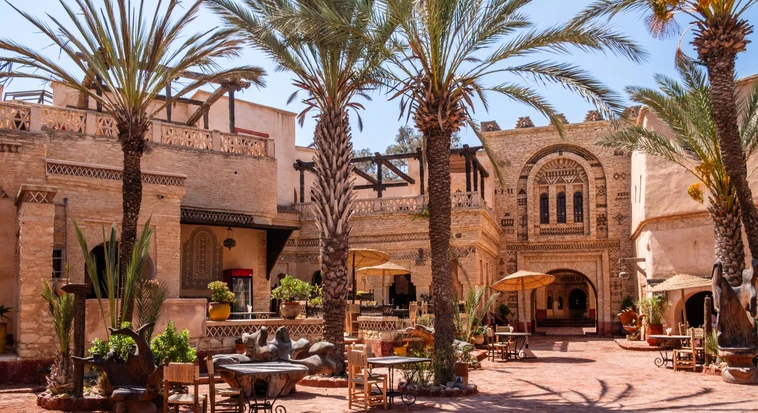
Set in a century-old former pearl-trader's house, with white wooden tables scattered under a tree in a courtyard. It is best known for its Emirati and Levantine breakfast trays and its relaxed, photogenic setting rather than for heavy main dishes. Popular and often busy, so mornings on weekdays are calmest.
Area: Al Fahidi, also known as Bastakiya.
Booking: Walk-in. Reservations are not usually required.
Order: The Emirati breakfast tray, khameer bread with cheese and date syrup, and a pot of tea.
Good to know: The breakfast menu runs until early afternoon. Check the current opening hours before visiting.
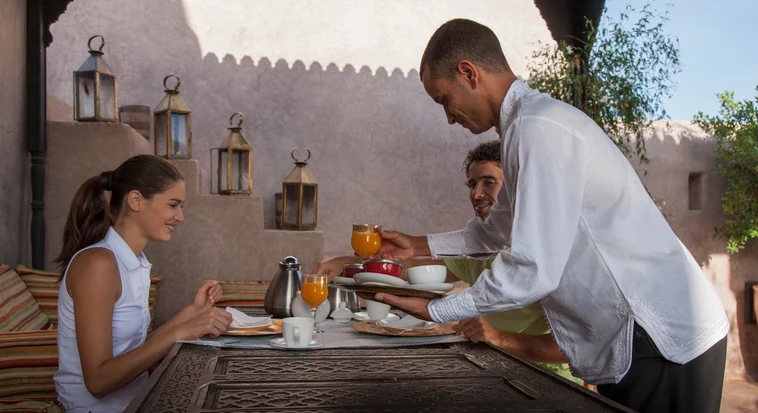
A restored heritage house on Al Mussallah Road in Al Fahidi, quieter than Arabian Tea House and set up for a longer, sit-down meal. A good pick if the courtyard cafes are full and you still want the old-house atmosphere with a full Emirati menu.
Area: Al Fahidi Historical Neighbourhood.
Booking: Walk-in.
Order: Harees, thareed, and a mixed grill to share.
For the most meaningful meal, this is the one to book. It is not a restaurant in the usual sense. You sit on floor cushions at a communal table, an Emirati host serves traditional dishes, and you are encouraged to ask anything about food, faith, dress and daily life. For many visitors it is the single best cultural hour of their trip.
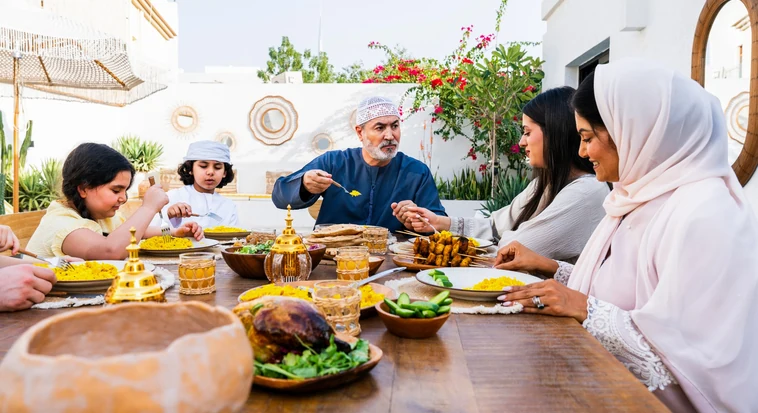
Founded in 1998 under the motto "Open Doors, Open Minds", the centre runs traditional Emirati breakfasts, lunches, brunches and dinners inside a restored wind-tower house. Meals are guided by an Emirati cultural presenter and shaped by the questions guests ask, so no two sittings are the same. Booking is required, usually 24 hours ahead.
Location: House 26, Al Mussallah Road, Al Fahidi.
Booking: Book at least 24 hours ahead.
Experience: Breakfast, brunch, lunch, dinner and Emirati fuala, or traditional tea time, on selected days each week.
Food: The set menu may include balaleet, chabab pancakes, khameer bread, chickpeas and luqaimat.
Price note: Prices and schedules can change, so confirm the current details directly with SMCCU before booking.
If your group would rather have a relaxed, current setting than a heritage house, these serve Khaleeji flavours with a modern hand, and they sit inside malls and lifestyle districts that are easy to reach.
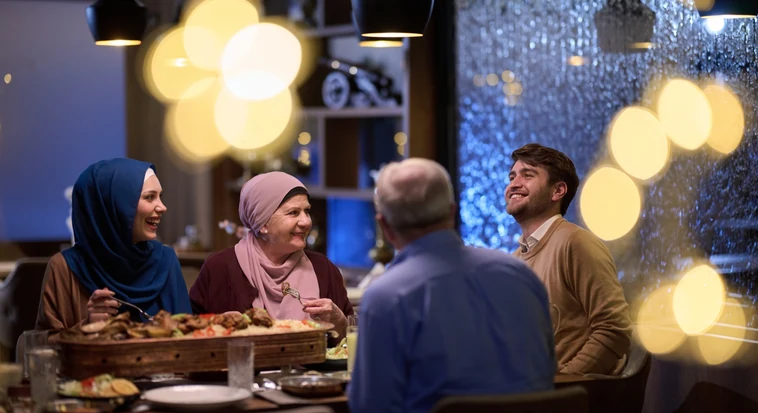
A contemporary Emirati cafe that reworks Gulf classics for a younger, casual crowd. Best for a light meal, a first karak, and the sweets rather than a formal spread. Easy to combine with a shopping or walking afternoon.
Locations: City Walk, Dubai Mall, BoxPark and City Centre Mirdif.
Booking: Walk-in.
Order: Balaleet, khameer sliders, chebab and luqaimat, with karak to finish.
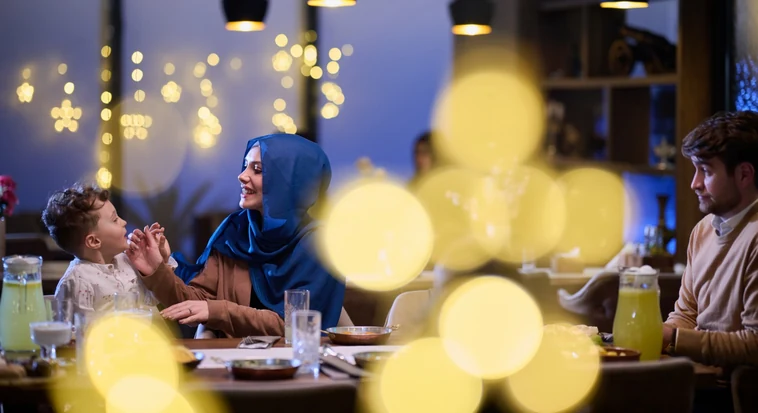
A modern Emirati restaurant inside Dubai Mall, pairing contemporary plating with fountain and Burj Khalifa views. A comfortable, air-conditioned option when you want local flavours in a polished mall setting.
Location: Dubai Mall.
Booking: Reservation recommended.
Order: Balaleet, mish arayees and karak-flavoured desserts.
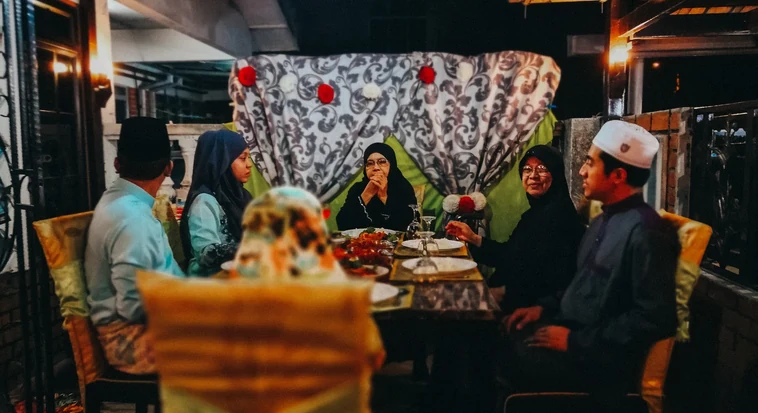
An upscale Emirati and Levantine restaurant in Souk Al Bahar with an Arabian-nights setting and Burj Khalifa views, well suited to a special dinner or a larger table. Plating is more refined and the menu leans modern.
Location: Souk Al Bahar, Downtown Dubai.
Booking: Book in advance, especially for groups.
Order: Warm date and kale salad, chicken biryani served in flatbread, and mouhalabiya.
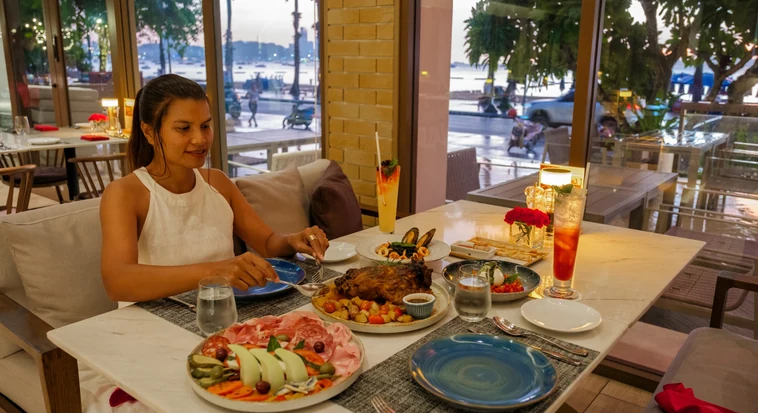
A traditional Emirati restaurant at the Radisson Blu on Dubai Creek in Deira, strong on Gulf seafood and known for its views over the old fishing stalls. A good choice if someone in your group wants fish prepared in the local style.
Location: Deira, Dubai Creek.
Booking: Reservation recommended.
Order: Jesheed, grilled local fish, and aseeda al tamor for dessert.
You do not need to know the whole menu to eat well. Order these five and you will have covered the range of Emirati cooking in one sitting:
Machboos, spiced rice with chicken, lamb or fish, the national dish and the safest first order. Harees, a smooth wheat-and-meat porridge, comforting and mild. Thareed, a stew soaked into crisp regag bread. Balaleet, sweet-and-savoury vermicelli with egg, usually served at breakfast. And luqaimat, warm dumplings in date syrup, for dessert.
For the full picture, our companion guide explains the 20 traditional Emirati dishes and exactly what is in each one, so you can walk into any of the restaurants above knowing what to look for on the menu.
Book the cultural meal and any Downtown dinner in advance; the heritage cafes are mostly walk-in. A few things worth knowing so your meal goes smoothly:
The heritage-district spots in Al Fahidi and Al Seef do not serve alcohol, while hotel restaurants such as Aseelah do. Portions are built for sharing, so order fewer mains than people and add bread. Emirati food is halal throughout, and there are more vegetarian options than you might expect, especially at breakfast. During Ramadan, many venues switch to iftar and suhoor menus after sunset, which is worth planning around. And Old Dubai is best reached by the Creek: the abra crossing and the Al Fahidi and Al Ghubaiba metro stops put you within a short walk of most of these tables.
For an authentic sit-down meal, Al Fanar at Al Seef is the most reliable, and it is listed in the MICHELIN Guide. For the most immersive experience, the Sheikh Mohammed Centre for Cultural Understanding lets you eat traditional dishes with an Emirati host who answers your questions about local culture.
The Al Fahidi and Al Seef districts by the Creek hold the best cluster: Al Fanar, Arabian Tea House and Al Khayma Heritage Restaurant are all within walking distance, and the SMCCU cultural meal is in the same neighbourhood.
It ranges widely. The heritage cafes in Al Fahidi are moderately priced for a casual meal, the SMCCU cultural meal is a fixed price per person, and Downtown restaurants such as Siraj sit at the higher, fine-dining end. You can eat well without a hotel budget.
The cultural meal at SMCCU must be booked, usually 24 hours ahead. Downtown and hotel restaurants are best reserved, especially for groups or weekends. The heritage cafes in Al Fahidi are mostly walk-in.
Emirati cooking is specific to the UAE, built on rice, slow-cooked meat, Gulf seafood, dates and dried lime, and it differs from the mezze-led Levantine food most people picture as "Arabic". You can read a full breakdown in our guide to traditional Emirati dishes.
Yes. Breakfast items such as balaleet, khameer bread, chickpeas and luqaimat are vegetarian, and the heritage cafes in particular offer a good spread of meat-free dishes.