


 Destination
  Verified
Arrive at the visitor gate 10 to 15 minutes before the tour time. The dress code check happens at the gate before you enter the courtyard. Women must cover arms, legs, and hair. Men must wear full-length trousers. Abayas and headscarves are available free at the entrance. Shoes come off before the prayer halls, not before the courtyard, so you walk through the exterior in your shoes first.
For the full dress code detail, see our dress code and manners guide.
Free group tours start at the designated meeting point near the main entrance. The guide introduces themselves, gives a brief overview of the mosque's history, and explains the code of conduct for the visit: quiet voices, no photography of worshippers, no touching of architectural surfaces.
The tour typically begins outside before entering the main hall. The guide points out the four minarets, each 107 metres tall, and explains that the dome design follows Mughal architectural tradition from the Indian subcontinent, while the minarets incorporate North African and Ottoman elements. This is the point where the guide explains Sheikh Zayed's instruction to the architects: draw from the full range of Islamic design traditions, not one region alone.
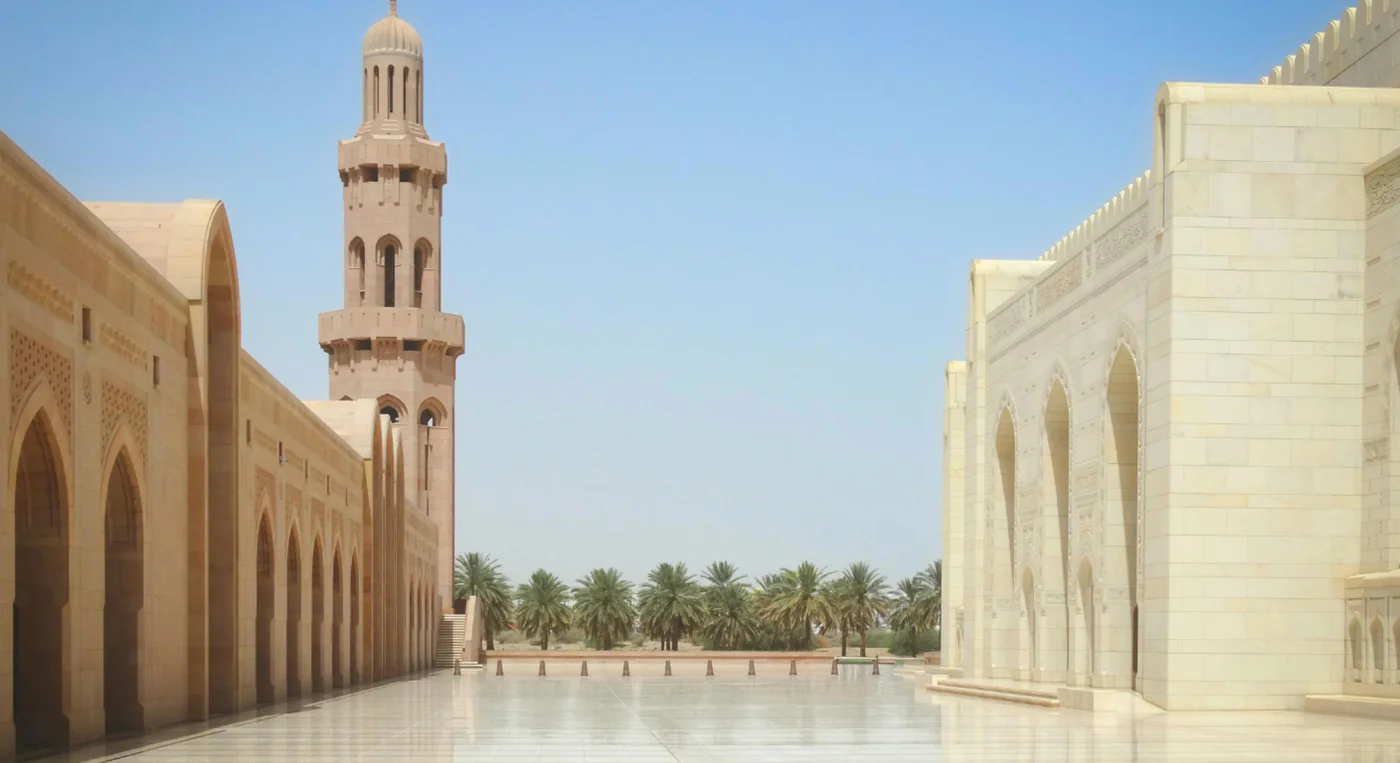
The courtyard marble is white Macedonian marble — the guide will say so explicitly, because it is the largest single use of Macedonian marble in the world and it is not obvious from looking at it. The reflective pools that run alongside the arcades are also explained here: they were designed in conjunction with the exterior lighting system to amplify the lunar illumination effect at night.
This is the longest stop and the most information-dense part of the tour. The guide covers:
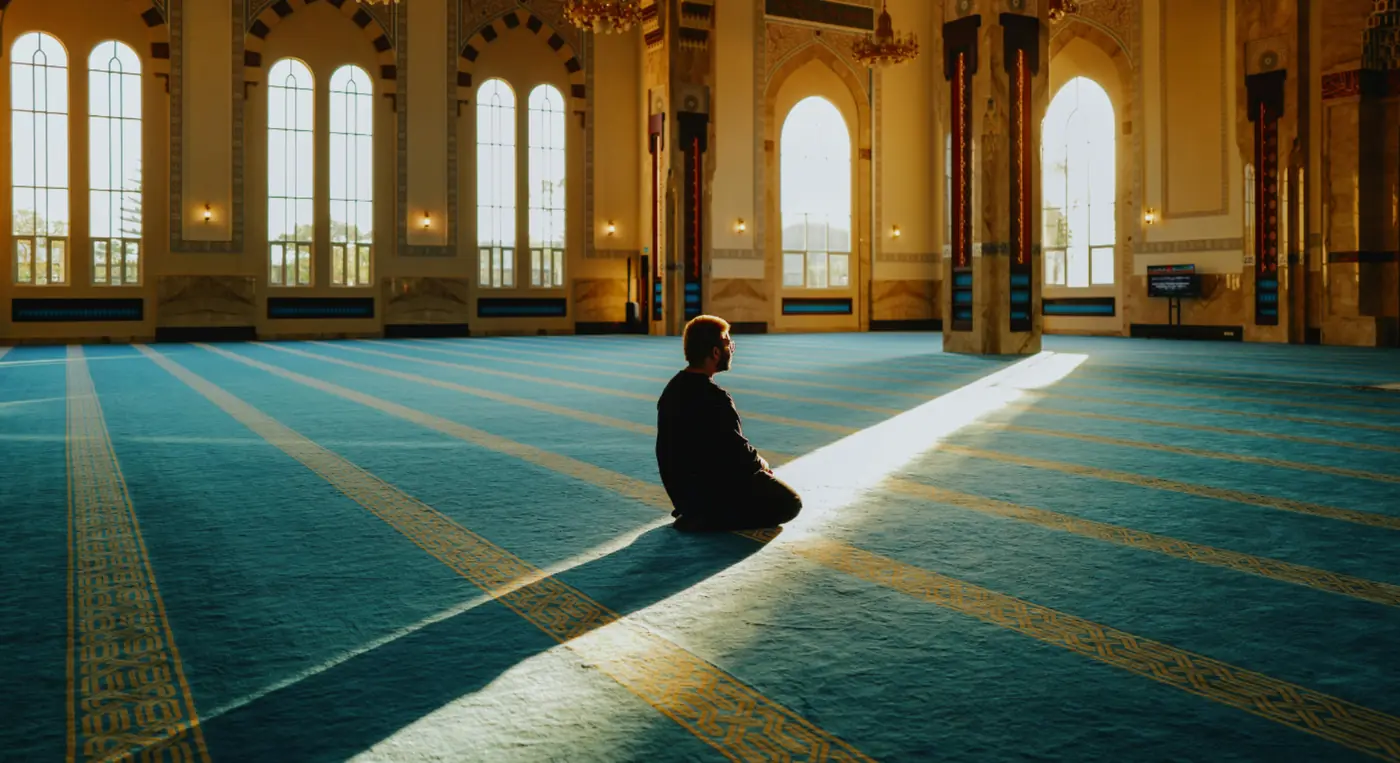
The carpet: 5,627 square metres, hand-knotted in Iran by approximately 1,200 craftspeople working in parallel over several years. It arrived in Abu Dhabi in sections and was assembled inside the hall. It weighs around 35 tonnes and holds the Guinness World Record for the largest hand-knotted carpet in a mosque. The guide will point to specific areas of the pattern and explain the floral motifs, which are consistent across the full surface despite being woven in separate pieces.
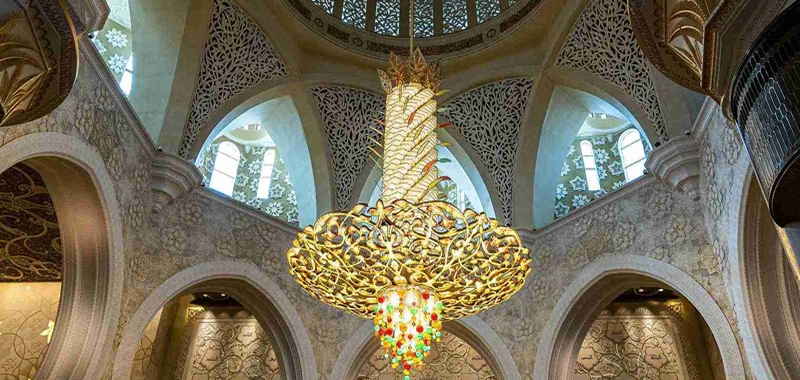
The chandeliers: the mosque has seven chandeliers across the main hall and side halls. The largest hangs from 15 metres, is set with Swarovski crystals, and is plated with 24-carat gold. It holds the Guinness World Record for the second-largest chandelier in a religious building. The guide explains how each chandelier was installed at height inside the completed hall.
The columns: 96 columns line the main prayer hall. Each is inlaid with mother of pearl by hand. The guide points to the column bases where semi-precious stones, including amethyst and lapis lazuli, are set into the marble.
The Qibla wall: this is the wall that faces Mecca and serves as the direction of prayer. It is engraved with 99 names of Allah in Kufic calligraphy. The guide reads several of the names and explains what they mean in Arabic. This is the section where questions about Islamic practice come up most often, and where a guide who speaks both Arabic and English adds the most value.
The domes: the 82 domes are visible from inside the main hall. The guide explains the engineering behind how they bear load, and the gold-leaf calligraphy visible in the dome interiors when you look up.
The two women's prayer halls on either side of the main hall are accessible to all visitors outside prayer times. The guide covers them briefly: each accommodates approximately 5,000 worshippers and follows the same marble and chandelier design language as the main hall at a smaller scale.
The tour ends at or near the exit. The guide typically takes questions at this point. On a free group tour, the guide then directs visitors back to the main courtyard area to explore independently before the mosque closes or before the next prayer window.
Most visitors spend 20 to 30 minutes independently after the tour ends, revisiting the areas they found most interesting, taking photographs, or sitting in the courtyard. The exterior pools are worth returning to before you leave, particularly in late afternoon when the light is lower.
If you are visiting in the evening and plan to stay for the lunar illumination, allow time after the tour to go back outside. The building is worth seeing from the courtyard after dark for the lighting effect specifically. See our evening visit guide for what to expect.
Most visitors do not ask enough during a mosque tour. These are the questions that get the most detailed and interesting answers:
The free group tour takes approximately 60 minutes. A private guided tour typically runs 90 minutes. With independent time before and after, allow 2 to 2.5 hours in total.
Sheikh Zayed's vision and commission, the architectural influences, the main prayer hall carpet and its construction, the seven chandeliers, the 82 domes, the mother-of-pearl columns, and the Qibla wall calligraphy.
Free group tours do not require advance booking. Private tours should be arranged in advance, particularly during October to March peak season.
Yes, throughout. Private tours allow more time at each stop for questions. Free group tours have a fixed 60-minute window so time for questions is more limited.